Finding a venue is just the beginning. Then come the guest list, food, décor, vendors, timings, parking, last-minute changes—and usually a few things that nobody saw coming.
Whether you're planning a wedding, birthday party, corporate event, family function or a small get-together, the goal is pretty simple: people should have a good time, and you shouldn't spend the entire event solving problems.
So, what actually makes an event successful?
Start With One Simple Question: Why Are You Hosting It?
Before you start calling banquet halls or looking at decoration ideas, get clear about the purpose of the event.
A wedding is about bringing people together to celebrate. A corporate event may be about networking, team building or building relationships. A product launch needs a completely different kind of energy.
Once you know what you want the event to achieve, many other decisions become easier.
You know what kind of venue you need, how much you should spend and, most importantly, what matters to your guests.
Your Guest List Should Come Before Your Venue
This is one of the easiest things to get wrong.
You find a beautiful banquet hall, the décor looks great, the location is convenient—and then you realize the space isn't quite right for 300 guests.
Don't start with the venue. Start with the people.
Think about the number of guests, how they will be seated, whether people will need space to move around, and what kind of event you're hosting.
A wedding with a buffet and dance floor needs a very different layout from a corporate seminar with rows of chairs and a stage.
And remember, a hall's advertised capacity doesn't always tell the full story.
Choose a Venue That Works for Your Event
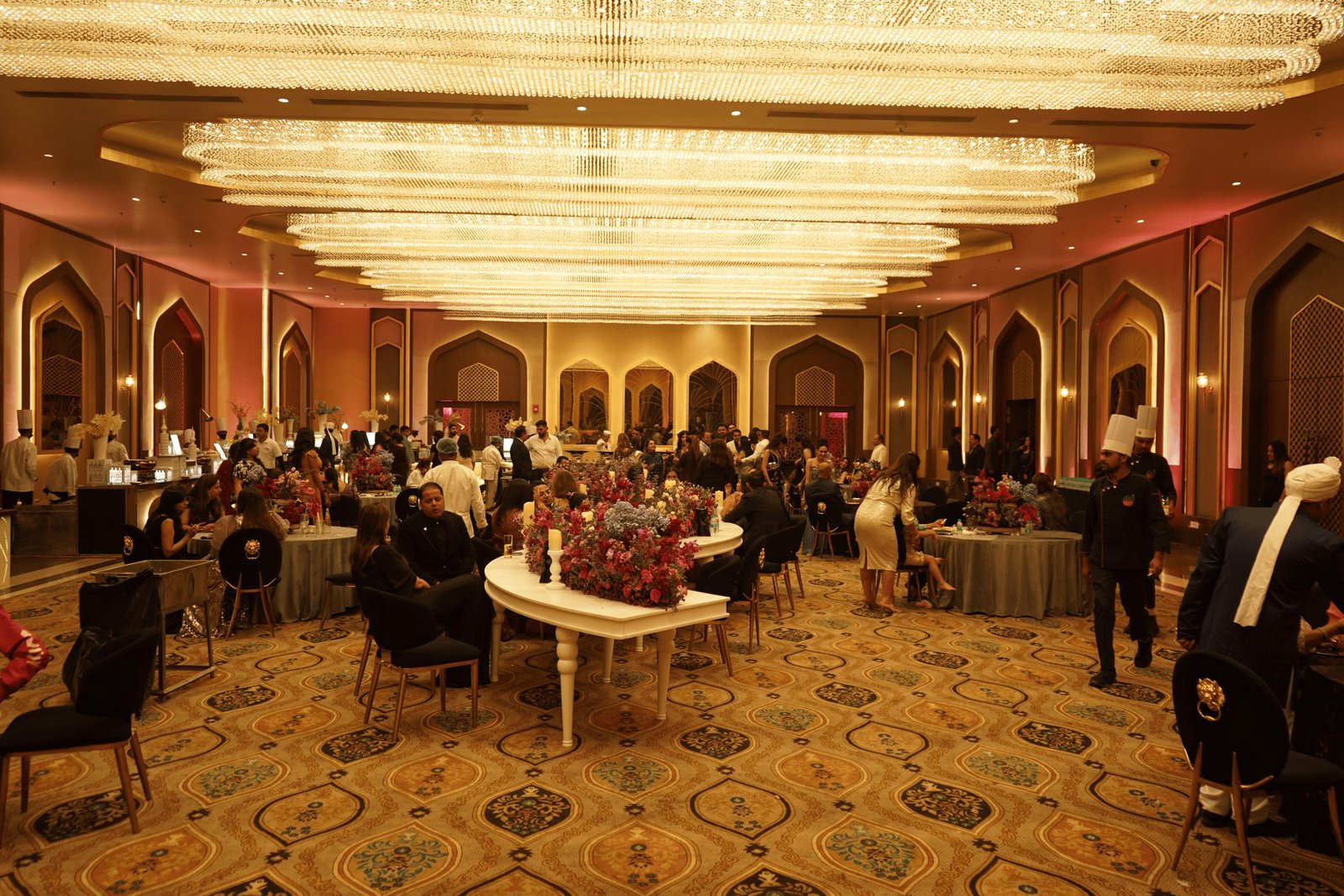
The venue is probably one of the biggest decisions you'll make.
But don't choose it just because it looks good in photographs.
Check the things that will actually affect your event:
- Is it easy for guests to reach?
- Is there enough parking?
- Does the seating arrangement work?
- Is the catering setup suitable?
- What happens if you need extra time?
- Is the AC included?
- Are there separate charges for décor, AV or electricity?
- What happens if you need to cancel or change the date?
These details may not sound exciting when you're booking the venue, but they can make a huge difference on the actual day.
And don't compare venues on rent alone. Look at the total cost.
Ask the venue for a complete cost breakdown before confirming your booking.
Think About the Guest Experience
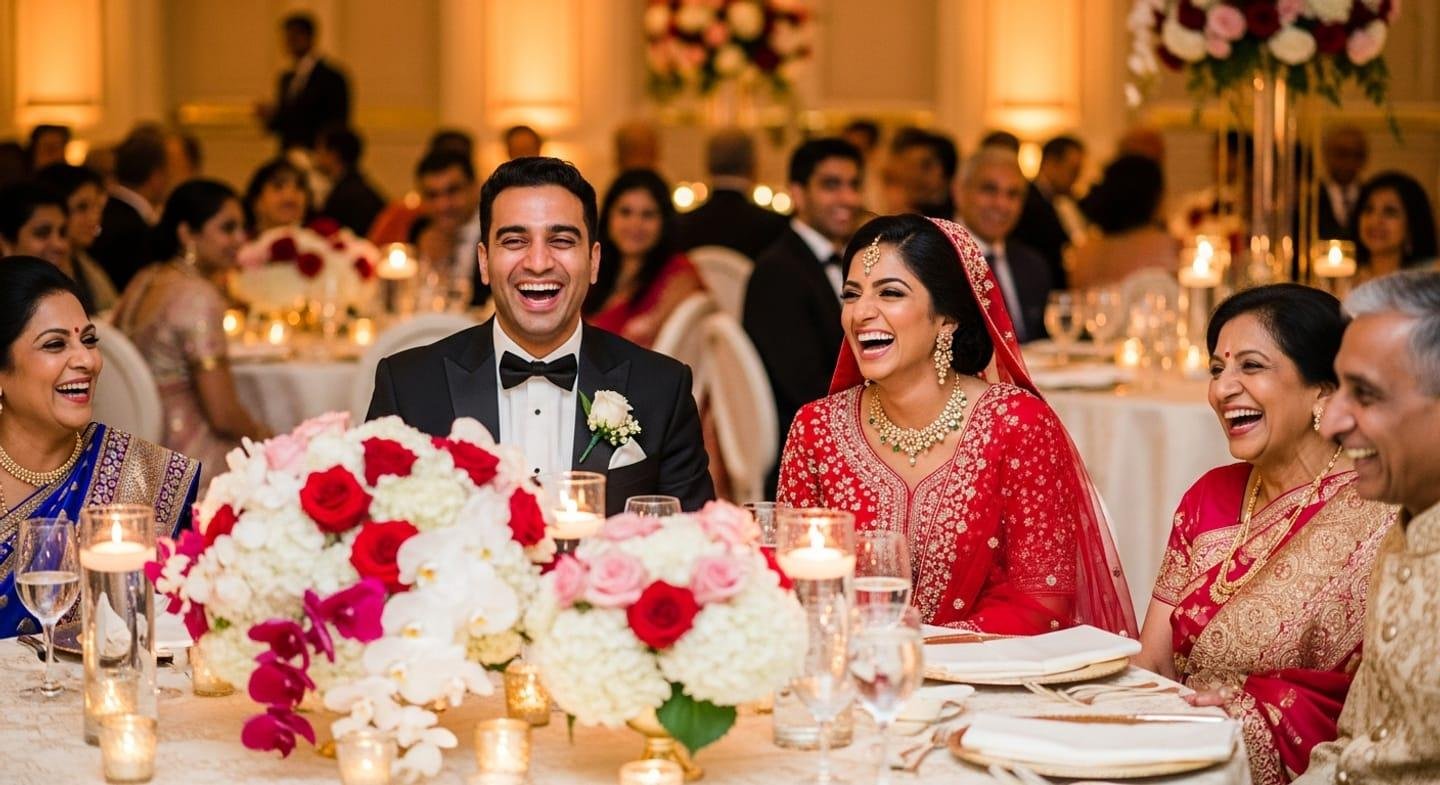
Imagine arriving at your own event as a guest.
You get out of the car. Do you know where to go?
Can you find the registration desk or the main hall easily? Is there someone to guide you? Is the seating comfortable? Is the food easy to find? Can people actually talk to each other?
These small things are often what people remember.
You don't need to create something extravagant. Sometimes a well-organised welcome, good food, comfortable seating and a venue that feels right can do more than an expensive setup.
Plan the event from your guest's point of view, not just from the organiser's checklist.
Don't Let the Budget Get Away From You
Events have a funny habit of becoming more expensive as you plan them.
One extra decoration here. Another food counter there. Then additional lighting, photography, transport and a few last-minute requirements.
Before you know it, the original budget has disappeared.
Set a realistic number at the beginning and keep some amount aside for unexpected expenses.
You don't need to spend more to make an event better.
Spend on the things your guests will actually notice—and don't be afraid to keep the rest simple.
A memorable event isn't necessarily an expensive event. It's an event where the important things have been done well.
The People Behind the Event Matter Too
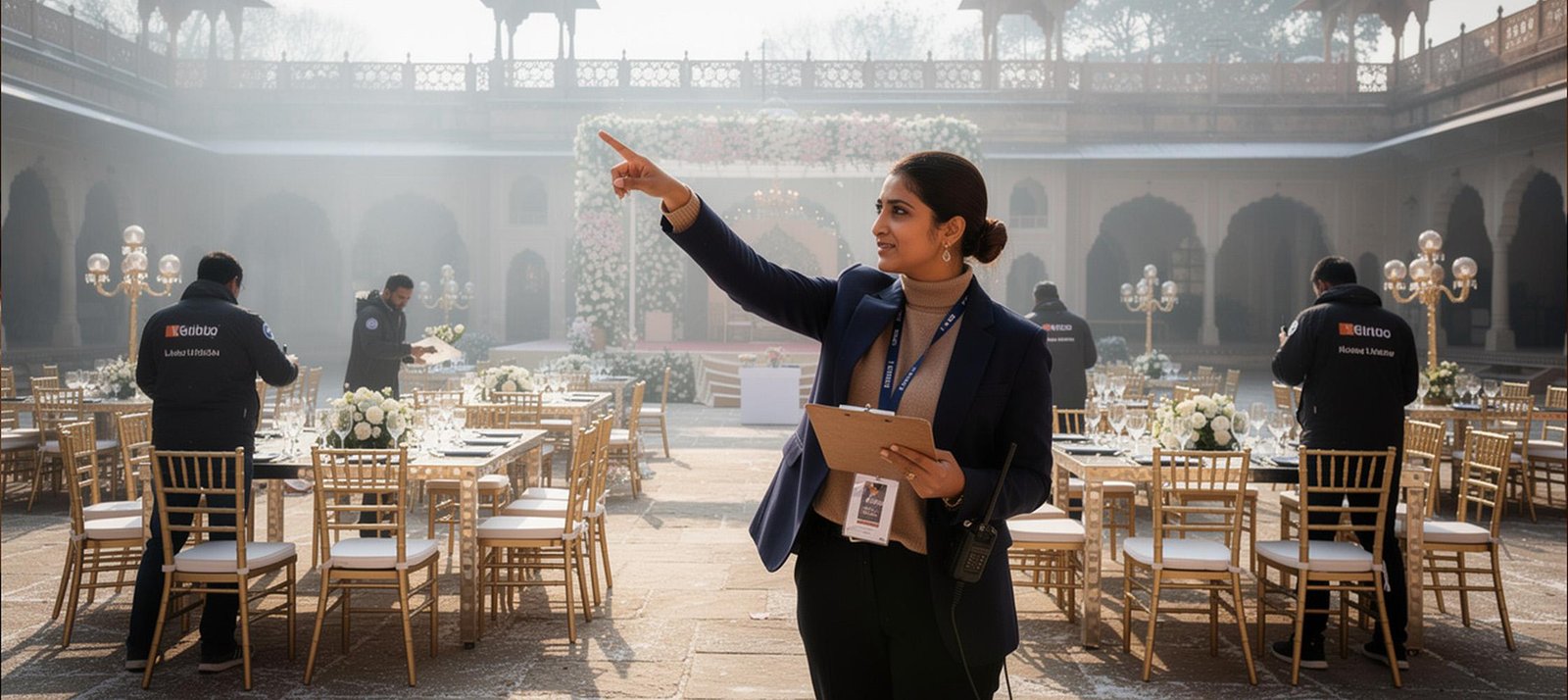
Even a great venue can't save an event if the execution is poor.
Caterers, decorators, photographers, DJs, AV teams, venue staff and event coordinators all play a part.
When choosing vendors, don't look only at the cheapest quotation.
Ask about their previous work. Check reviews where available. Understand exactly what is included in the price. And, perhaps most importantly, notice how they communicate with you before the event.
If a vendor takes three days to answer a simple question today, you probably don't want to discover how they handle an urgent problem on your event day.
Something Will Probably Go Wrong. That's Okay.
This is probably the most realistic event-planning advice anyone can give you.
Something may not go exactly as planned.
A guest may arrive late. A speaker may get stuck in traffic. The weather may change. The DJ may have a technical problem. A vendor may need an extra 30 minutes.
Don't panic.
Have backup contacts, keep some buffer in the schedule and make sure someone on the team knows who is responsible for handling problems.
The aim isn't to create an event where nothing goes wrong.
It's to make sure a small problem doesn't become everyone's problem.
Make People Feel Like They Were Part of Something
At the end of the day, people won't remember your entire event schedule.
They'll remember the atmosphere.
They'll remember the food they loved, the people they met, the music, the funny moments, the beautiful venue and how comfortable they felt.
That's why a successful event isn't about ticking every item off a checklist.
It's about creating an experience people want to talk about afterwards.
A Simple Way to Think About Event Planning
If you're planning an event, keep these six things in mind:
- Know what you want the event to achieve.
- Understand who is coming.
- Choose a venue that actually fits the event.
- Keep your budget realistic.
- Work with people you can rely on.
- Leave some room for the unexpected.
It sounds simple—and that's the point.
You don't need to make event planning complicated to do it well.
One Last Tip Before You Book Anything
Before you confirm a venue or vendor, stop for a minute and look at the event from a guest's perspective.
Would I enjoy being here?
Would I know where to go? Would I be comfortable? Would I have enough space? Would the food and facilities meet my expectations?
If the answer is yes, you're probably heading in the right direction.
Planning Your Next Event?

Finding the right venue is often the first big decision—and it can affect almost everything that follows.
GoVenue helps you discover venues for weddings, birthdays, parties, corporate events and other celebrations, so you can spend less time hunting for the right place and more time planning the event itself.
Find the place. Plan the experience.
What makes an event successful?
A successful event is one that achieves its purpose while making guests feel comfortable, welcomed and engaged. It doesn't have to be expensive or elaborate.
How do I choose the right venue?
Start with your guest count, event type and budget. Then look at location, capacity, layout, parking, catering, facilities and any additional charges before making a decision.
How much should I spend on an event?
There isn't one number that works for every event. Set a realistic budget based on your guest count and priorities, and keep some money aside for unexpected expenses.
How can I make my event memorable?
Focus on the experience rather than trying to impress people with everything at once. Good food, a comfortable venue, smooth organisation, thoughtful details and a welcoming atmosphere can go a long way.
What should I do if something goes wrong?
Don't panic. Have backup options for important vendors and technology, keep some time in the schedule for delays and assign someone to handle problems on the event day.